

Understanding the scale of six inches is surprisingly useful for everyday tasks, whether you are DIY decorating, measuring ingredients in the kitchen, or simply trying to visualize dimensions without a ruler handy. While many people think they can accurately estimate this length, the human brain often struggles with spatial reasoning when a standard reference tool is not available. By identifying common items that naturally fall into this specific range, you can quickly calibrate your internal sense of measurement and make more informed decisions in your daily life.
The Standard Dollar Bill as a Reference
The most reliable and accessible object for gauging length in the United States is the standard paper currency. A United States dollar bill measures approximately 6.14 inches in length. While it is technically a fraction of an inch over the target, for the vast majority of practical, non-engineering tasks, it acts as a nearly perfect reference point. If you find yourself in a situation where you need to verify a distance of roughly half a foot, reaching for your wallet is the most efficient solution.
Because the dollar bill is thin, flat, and ubiquitous, it is the gold standard for quick, impromptu measurements. When you hold it up against a surface, you are essentially looking at a precise 6-inch visual aid.
This is particularly helpful when you are shopping for small picture frames, checking the clearance of a shelf, or trying to determine if an object will fit inside a specific drawer. Learning to use the physical dimensions of currency allows you to bypass the need for a tape measure in a pinch, providing a consistent, reliable standard that is always within reach.
The Smartphone Screen Perspective
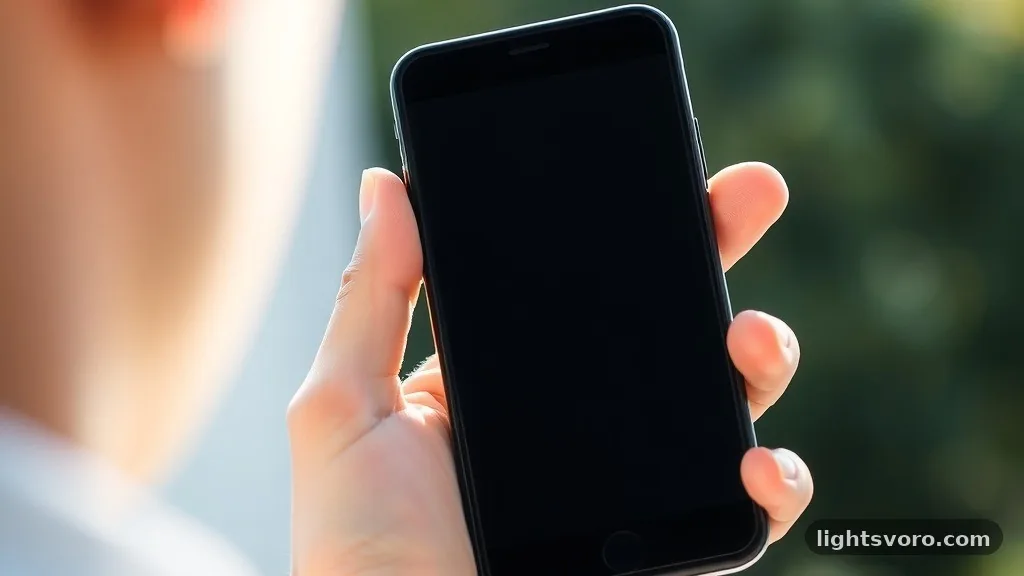
In the modern era, almost everyone carries a device that can serve as a measurement tool. Most standard smartphones have a screen size that, when measured diagonally, sits right around the 6-inch mark. While the physical housing of the phone adds a few millimeters on each side, the screen itself provides a very intuitive sense of scale. If you are comparing a space to your phone, you are likely looking at a length that is very close to six inches.
It is important to note the difference between diagonal screen size and the length of the phone’s body. A phone with a 6-inch display usually measures closer to 6.5 inches in total length including the bezel.
However, if you hold your phone up to an object, you can easily visualize where the 6-inch mark falls by mentally subtracting the extra border. This mental exercise becomes second nature after a few attempts, turning your daily companion into a surprisingly accurate ruler for quick, rough estimates in professional or domestic environments.
Standard Ballpoint Pens and Writing Utensils
When you think of a standard ballpoint pen, you are likely picturing an object that is very close to 6 inches long. While there is certainly variation in design—from slim, retractable clickers to thick, ergonomic pens with rubber grips—the vast majority of pens found in an office or classroom environment fall right into the 5.5 to 6.5-inch range. If you pick up a standard disposable stick pen, you are holding an object that is almost exactly 6 inches in length from the tip to the end of the cap.
This makes pens an excellent reference for smaller, more granular measurements. If you are trying to gauge the depth of a hole for a screw or the width of a small decorative item, laying a pen beside it provides an immediate, reliable visual.
Because pens are so common, you can keep one in your pocket or bag to serve as a portable measuring stick. It is a simple trick that professionals in various trades, from carpentry to interior design, often use to get a “quick and dirty” sense of scale before breaking out the professional-grade tools.
The Length of a Standard Kitchen Spatula Handle
If you spend any time in the kitchen, you are likely surrounded by tools that have been ergonomically designed to fit the human hand, which often results in them having a length of around 6 inches. A standard silicone or plastic spatula, specifically the handle section before it reaches the blade, is frequently crafted to be about 6 inches long. This length provides the necessary leverage for stirring and flipping while remaining comfortable for the average adult grip.
Beyond just the handle, many smaller kitchen utensils like melon ballers, vegetable peelers, and even the blades of paring knives are roughly 6 inches in total length. When you are cooking, you can use these tools to estimate the size of a portion or the distance between items on a baking sheet.
Understanding the scale of your kitchen equipment helps you become more efficient, as you no longer have to stop what you are doing to hunt for a ruler or tape measure. It turns your workspace into a giant, familiar map of known dimensions.
Eyeglasses and Sunglasses Frames
The width of a standard pair of eyeglasses or sunglasses is another excellent point of reference for the 6-inch measurement. When you look at the front frame of a typical pair of adult glasses, the distance from one temple hinge to the other is almost always right around 5.5 to 6 inches. This is because the human face has a fairly consistent width range, and manufacturers design frames to accommodate that standard size.
If you are ever in a situation where you need to estimate 6 inches and you happen to be wearing glasses, simply taking them off and holding them against the object in question provides a remarkably accurate reference. This is a common hack for people who are out and about and need to quickly gauge whether a specific item will fit into a bag or a small compartment. Since the glasses are already on your face, they are the most accessible measuring tool you own, proving that everyday accessories can serve dual purposes in a pinch.
The Height of a Standard Coffee Mug
While coffee mugs come in a wide variety of shapes and sizes, the “standard” mug that you find in most homes and offices—the kind that holds about 10 to 12 ounces of liquid—usually stands between 4 and 6 inches tall. Many of the taller, cylindrical mugs are exactly 6 inches high. If you have a favorite mug, check its height with a ruler once; you will likely find that it is a perfect reference for that specific dimension.
Knowing the height of your mugs is particularly useful for organizing kitchen cabinets or determining if a specific item will fit on a shelf. If you know your mug is 6 inches tall, you can instantly see if a shelf height is sufficient for storage.
This kind of spatial awareness is a hallmark of an organized home. By mentally mapping the dimensions of your most-used household objects, you eliminate the guesswork associated with rearranging, cleaning, or buying new organizational bins.
A Standard Plastic Water Bottle
The common 16.9-ounce (500ml) plastic water bottle is a ubiquitous object in modern life, and its dimensions are surprisingly consistent across different brands. While the height of these bottles varies, the diameter of the base is usually quite small, but the length of the label area or the distance from the base to the bottom of the neck is often right around 6 inches.
If you are trying to estimate 6 inches while at a park, a gym, or in your car, a water bottle is a fantastic reference. Many people find it helpful to visualize the bottle’s mid-section.
By knowing that this specific segment is roughly 6 inches, you can quickly judge the size of other objects around you. It is a simple, effective way to maintain a sense of scale in environments where you might not have access to standard measuring tools, ensuring that you can always make accurate assessments of your surroundings.
The Width of a Standard Paperback Book
When you are reading a standard trade paperback, the width of the book is often close to 6 inches. While novels vary in size, the “mass market” paperback and the larger “trade” paperback formats are standardized to fit comfortably in the hand and on bookshelves. A width of 5.5 to 6 inches is common for many popular fiction titles, making books a great reference point if you are an avid reader.
If you have a bookshelf at home, you essentially have a library of reference materials. You can easily spot a 6-inch measurement by pulling a book off the shelf and using its width.
This is particularly useful when you are trying to plan a layout for a desk or a work surface. Because books are flat and rectangular, they are much easier to use for measuring than irregular objects, providing a clean edge that helps you align your estimate with the object you are measuring.
A Standard TV Remote Control
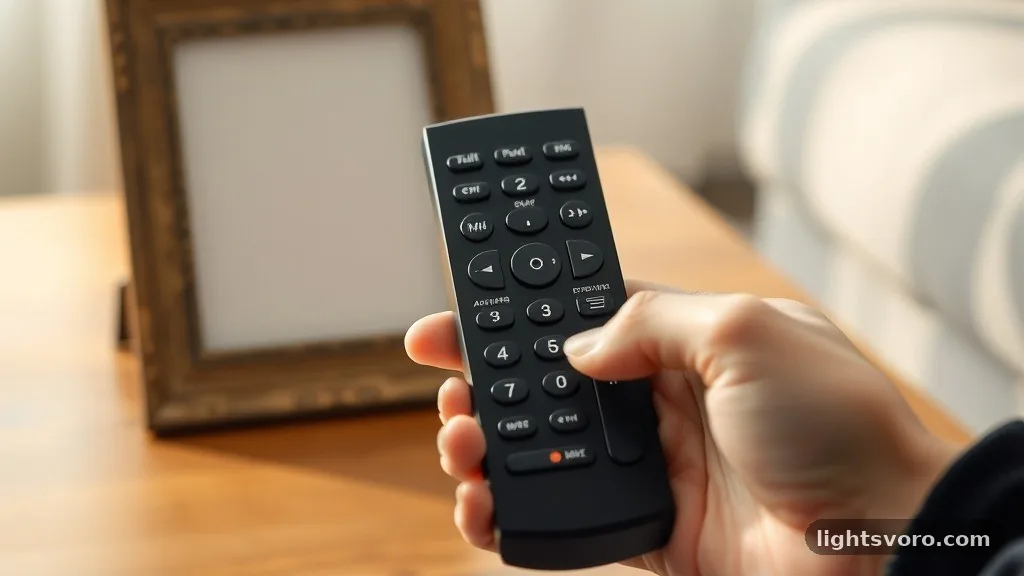
Almost every household has a TV remote, and these devices are almost universally in the 6 to 8-inch range. A standard, no-frills remote control is usually around 6 inches long. This makes it a very common and convenient tool for measuring things around the living room. Whether you are trying to see if a piece of decor will look good on a mantle or checking the space between your couch and the wall, your remote is likely within arm’s reach.
Using a remote control as a measurement tool is a habit that many people pick up without realizing it. Because you handle the remote so frequently, you have an intuitive sense of its size.
When you hold it up to another object, your brain naturally compares the two, allowing for a quick, subconscious assessment of the length. This is a perfect example of how our familiarity with everyday objects allows us to develop a “built-in” ruler that we can use to navigate our environment with greater ease and precision.
The Size of a Standard Envelope
A standard business envelope, known as a #10 envelope, measures 4.125 inches by 9.5 inches. However, a smaller “A2” or personal greeting card envelope is often closer to 5.75 inches in width. If you have any stationary or mail lying around, these paper products are excellent for quick, flat measurements. Because they are thin and light, they are easy to manipulate and place against any surface.
If you are trying to estimate 6 inches, think of the width of a standard greeting card envelope. It is just a hair under 6 inches, which provides a very close approximation for most non-scientific purposes.
Keeping a few envelopes in a desk drawer is a great way to ensure you always have a “ruler” on hand for small tasks like measuring the spacing for wall art or checking the fit of items in a drawer. It’s a low-tech solution that is surprisingly accurate.
A Standard Pair of Scissors
The scissors you keep in your kitchen drawer or office supply bin generally come in a few standard sizes, with the most common being the 7 or 8-inch variety. However, the length of the blades themselves—from the screw to the tip—is frequently right around 6 inches. This is a very common tool, and because of its sharp, defined tip, it is easy to align with the starting point of whatever you are trying to measure.
If you use your scissors to estimate 6 inches, make sure you are measuring from the pivot point to the tip. This part of the tool is a very distinct, straight line that makes for an excellent temporary ruler.
Just be careful when using them as a measuring tool, as the sharp edges can be hazardous if you are not paying attention. When used correctly, however, they provide a very clear visual reference that can help you nail a measurement in seconds.
A Standard Toothbrush
The average adult toothbrush is designed to be comfortable to hold and easy to maneuver, which results in an overall length of about 7 to 8 inches. However, the head of the toothbrush and the upper portion of the handle often combine to create a 6-inch segment that is very easy to visualize. If you look at your toothbrush, you will see that the handle is quite long, but the functional portion is a very specific, manageable length.
Using a toothbrush to estimate 6 inches is a great trick for bathroom renovations or organizing medicine cabinets. If you are trying to determine if a shelf is deep enough for your toiletries, you can use your toothbrush as a quick gauge. It is a clean, simple object that is always exactly where you need it to be, making it a perfect tool for small-scale spatial estimation in the bathroom.
A Standard Cereal Box or Food Packaging
The side of a standard cereal box is often roughly 8 to 10 inches wide, but the depth or the width of smaller food packaging—like a box of crackers or a bag of rice—is frequently in the 6-inch range. If you look at the pantry, you will see a variety of rectangular boxes that can serve as excellent, albeit slightly less precise, measuring tools.
When you are in the kitchen, you can use these boxes to estimate the spacing between jars, the height of a shelf, or the width of a tray. Because food packaging is standardized for shipping, you will find that many items share similar dimensions.
If you find one box that is exactly 6 inches wide, you can use it as a reference for all your kitchen organization needs. It is a simple way to turn your pantry into a library of known measurements, making it much easier to organize your space effectively.
A Standard Magazine Width
Most magazines are printed in a standard format that measures approximately 8.5 by 11 inches. However, when you hold a magazine in your hand, the width of the page is about 8.5 inches. If you fold the magazine or look at the width of a single column, you can easily find a 6-inch segment. Many people enjoy reading magazines, and having them around the house provides a constant source of reference material for estimating lengths.
If you are trying to gauge 6 inches, look at the width of a magazine and mentally remove about 2.5 inches from the side. This is a great way to practice your spatial reasoning.
The more you do this, the better you will get at estimating 6 inches on the fly, without needing to reach for a ruler. It turns a leisure activity into a mini-lesson in geometry, helping you sharpen your eye for detail in a fun and practical way.
A Standard Hand Span
Perhaps the most “natural” way to measure 6 inches is by using your own hand. For many adults, the distance from the tip of the thumb to the tip of the pinky finger when the hand is stretched wide is roughly 8 to 9 inches. However, the distance from the base of the palm to the tip of the middle finger is often very close to 6 or 7 inches. By measuring your own hand once with a ruler, you can create a permanent, biological reference tool that you will always have with you.
This is the ultimate tool for estimation. Whether you are in a hardware store, a furniture showroom, or just around the house, you can quickly place your hand against an object to get a rough idea of its size. Once you know your own hand’s dimensions, you no longer need to rely on external objects.
You are your own ruler, capable of making quick, reliable measurements wherever you go. This is a skill that takes only a few minutes to master but provides a lifetime of convenience and precision in your daily interactions with the world.
Mastering Spatial Estimation
Developing an eye for 6 inches is a valuable skill that enhances your ability to navigate the physical world. Whether you are hanging a picture, organizing a bookshelf, or simply trying to understand the scale of an object you see online, having a mental reference for 6 inches changes how you interact with your environment. You stop guessing and start knowing.
By practicing with the items mentioned above—from the dollar bill in your wallet to the length of your own hand—you can build a robust internal sense of measurement. This doesn’t just save time; it helps you be more confident in your DIY projects, more efficient in your daily chores, and more aware of the dimensions that shape our lives.
The next time you find yourself wondering about the length of an object, don’t rush to find a ruler. Look around you, identify a common item, and trust your newfound ability to estimate with accuracy and ease.
Spatial reasoning is a muscle that strengthens with use. The more you consciously compare objects to your 6-inch reference points, the more natural the process becomes.
You will eventually reach a point where you can glance at an object and have a very high-confidence estimate of its size without even thinking about it. This is the goal of mastering these common, everyday measurements: to make the world around you feel a little more predictable, a little more manageable, and a whole lot easier to navigate.
So, the next time you are standing in a store or working on a home project, remember these 15 common things. Use your phone, your pen, your glasses, or your own hand to find that 6-inch mark.
You will be surprised at how often this knowledge comes in handy and how much more capable you feel when you have a reliable reference tool that is always, quite literally, right at your fingertips. Understanding the world in inches is not just about math; it is about feeling comfortable and in control of your surroundings, one measurement at a time.